
Key points
- These schemes initiate with emotional grooming, not an immediate financial pitch, building trust over weeks or months.
- Victims are often directed to sophisticated, yet entirely fabricated, online trading platforms that display convincing but false profits.
- The 'partner' acts as a primary enabler, pressuring for continuous deposits and advising against any attempts to withdraw funds.
- Legitimate investment firms are transparent about risks and regulation; high-pressure tactics and guaranteed returns are clear indicators of fraud.
- Always verify any broker's license directly with the relevant financial regulator, even if a website appears official.
The Deliberate Cultivation of Emotional Trust
Imagine a conversation starting innocently on a dating app or social media platform. The individual on the other side appears charming, intelligent, and expresses genuine interest. Over weeks or even months, a deep emotional connection forms. They share personal stories, daily experiences, and future dreams, establishing a powerful bond. This phase is not about money; it is about building unwavering trust and emotional dependency. The financial pitch comes much later, after the emotional groundwork is thoroughly laid, making the victim far more susceptible to persuasion. This patient, methodical approach differentiates these schemes from more overt financial fraud, where the deception is often immediate and transactional. The scammer invests significant time, sometimes engaging in lengthy daily conversations, to create a sense of intimacy and shared future, all designed to disarm the victim's natural caution.
They might meticulously research the victim's interests and background to tailor their persona and conversation points, making the connection feel deeply authentic. This emotional investment by the victim makes it incredibly challenging for them to recognize the manipulative intent when the financial requests eventually surface. The very fabric of the relationship becomes the primary tool for acquisition, subtly shifting from companionship to a calculated mechanism for extracting funds, one deposit at a time. The emotional rapport serves as a blind spot, obscuring the predatory nature of the interaction.
Introducing the 'Exclusive' Investment Opportunity
Once the emotional bond is secure, the conversation will subtly shift towards wealth creation. The scammer might casually mention their success with a particular investment, attributing it to an 'uncle' or 'friend' with 'insider knowledge' or a 'secret formula.' They will speak of consistent, high returns—perhaps 1% to 3% daily—with minimal risk, a figure that immediately signals an unrealistic promise in any legitimate market. The specific investment vehicle frequently involves volatile instruments such as forex, cryptocurrencies, or Contracts for Difference (CFDs), often in an 'emerging market' or a 'private project.' The narrative often highlights how these returns have funded their comfortable lifestyle or future plans, further enticing the victim to join. This is a critical pivot point where the emotional connection begins its instrumental role in the financial deception.
They might show screenshots of their own 'profits' or discuss lavish purchases enabled by these investments, creating an aspirational image. The pressure is rarely direct at first; it's more of an invitation to participate in a shared, prosperous future. They might even encourage the victim to start with a small amount, perhaps $1,000 to $5,000, promising rapid returns on this initial capital. This initial 'success' is designed to establish confidence, making the victim believe they are part of a privileged opportunity that only their new partner could provide. The emotional ties are now intertwined with financial aspirations.
The Illusion of a Trading Platform and Fabricated Profits
Victims are directed to download a proprietary app or visit a specific website, which purports to be an investment platform. These platforms are often meticulously designed, mimicking the interfaces of established trading applications like MetaTrader 4 or MetaTrader 5, used by regulated brokers such as Pepperstone, XM, or OANDA. They display live market data, charts, and account balances that steadily climb, showing consistent 'profits.' In reality, these are entirely fabricated environments under the scammer's control. The victim's funds are never actually invested in any market; they are simply deposited into accounts controlled by the perpetrators. The 'account manager' or 'customer support' personnel interacting with the victim are also part of the fraud, often the same individual or team operating the entire deception.
The visual evidence of growing wealth on these fake platforms serves to reinforce the scammer's narrative and encourages further deposits. The numbers on the screen are manipulated, showing dramatic gains that would be impossible in real trading. The interface might look legitimate, with professional graphics and real-time quotes, but every piece of information presented is controlled by the fraudsters. Victims are often given login credentials by their 'partner' or the 'account manager,' further cementing the illusion of a legitimate financial service. These platforms are a crucial element, providing tangible, albeit false, evidence of success and making the victim feel in control of their 'investment.'
Distinguishing Features: Legitimate vs. Fabricated Trading Platforms
| Feature | Legitimate Platform Example | Fabricated Platform Indicators |
|---|---|---|
| Regulation Status | Clearly displays licenses from multiple top-tier regulators (e.g., FCA, ASIC, CySEC). | Claims vague or non-existent regulation; licenses cannot be independently verified with authorities. |
| Withdrawal Process | Clear, transparent withdrawal policies, funds typically arrive within 1-5 business days without extra fees. | Demands 'taxes,' 'commissions,' or 'anti-money laundering fees' before allowing withdrawals; delays are common. |
| Transparency | Detailed disclosures on risks, fees, and order execution. Access to independent financial statements. | Lacks comprehensive risk warnings; obscure fee structures; no public financial records. |
| Customer Support | Accessible via multiple channels (phone, email, live chat) for general inquiries and technical support. | Limited contact options; pressure to communicate only through the 'partner' or platform chat with evasive answers. |
| Asset Variety | Offers a range of widely recognized assets with transparent pricing and liquidity. | Focuses heavily on niche or 'exclusive' assets with unusually high, stable returns. |
The Initial 'Withdrawal' and the Subsequent Trap
To build absolute confidence and quell any nascent doubts, the scammers often permit a small initial withdrawal. This might be a few hundred or even a few thousand dollars, demonstrating to the victim that the system 'works' and their money is accessible. This partial success is a powerful psychological tool, validating the scammer's claims and making the victim more likely to commit larger sums. They might even suggest the victim use these small 'profits' for a shared expense, further cementing the illusion of a joint future.
However, when the victim attempts to withdraw a substantial amount, the excuses begin. They might be told a large 'tax' is due, or a 'penalty' for early withdrawal, or an 'anti-money laundering fee' must be paid. These are purely fictional charges, designed to extract additional funds under the guise of compliance. The 'partner' will then exert pressure, explaining these fees are necessary for their shared future, reinforcing the emotional manipulation that underpins the entire scheme. These demands are not for real administrative costs; they are simply more money for the perpetrators. The situation escalates with increasingly elaborate explanations for why funds cannot be released until another payment is made, trapping the victim in a cycle of ever-growing demands.
A genuine connection will never demand your financial vulnerability; a healthy degree of skepticism and independent verification are your strongest defenses.
Owen Blake
Escalating Pressure and Emotional Blackmail
As the victim's funds are increasingly tied up, and withdrawal attempts are thwarted, the 'romantic partner' transitions from a supportive figure to an enforcer. They will reiterate the platform's demands, often with emotional blackmail. Phrases like, 'We need this for our future,' or 'Don't you trust me with our investment?' become common. The scammer might express anger or disappointment, making the victim feel responsible for jeopardizing their shared dreams. This psychological manipulation is profound, playing on the victim's emotional investment in the relationship.
The victim is often isolated from friends and family who might express skepticism, further cementing the scammer's control. The 'partner' might suggest that others are 'jealous' or 'don't understand' the unique opportunity. This continuous pressure is designed to prevent the victim from reporting the fraud and to extract every possible dollar. The emotional investment makes it incredibly difficult for victims to accept that the person they believed loved them is, in fact, orchestrating their financial ruin. They cling to the hope that their partner is real and the investment will eventually pay off, even as evidence mounts against it.
Key Indicators of a Deceptive Scheme
Recognizing the signs early can prevent significant financial loss. The most consistent indicators include unsolicited contact that rapidly escalates to intimacy, followed by the introduction of an 'exclusive' or 'guaranteed' investment opportunity. The insistence on using a specific, unknown trading platform, especially one advertised as 'private' or 'secret,' is a major red flag. An inability to withdraw funds without paying additional, unexpected fees should raise immediate alarms. True investment requires patience, carries inherent risks, and never offers guaranteed returns. The emotional intensity used to push financial decisions is a hallmark of these predatory schemes. Legitimate financial advisors and brokers prioritize transparency and client education, not emotional coercion. They will not rush you into decisions or pressure you to keep your dealings secret.
Other indicators include a lack of verifiable information about the 'partner' or the investment firm, inconsistencies in their stories, or refusal to communicate through established, secure channels. The scammer might also be exceptionally vague about the actual mechanics of the investment, focusing instead on the promised returns. They may also request payment via unusual methods, such as cryptocurrency transfers to private wallets, which are difficult to trace and reverse. A constant push for larger and larger deposits, often justified by 'missing out on bigger profits,' is another common sign.
Common Red Flags in Romance-Investment Schemes
| Category | Common Scam Characteristic | Legitimate Practice |
|---|---|---|
| Initial Contact | Unsolicited via dating apps, social media; rapid emotional bonding. | Professional contact, often through referrals or established channels; focus on financial goals. |
| Investment Pitch | Guaranteed high returns (e.g., 1-3% daily) with no risk; 'secret' strategies. | Acknowledges risk; provides realistic, variable return expectations; no guarantees. |
| Platform Use | Insists on a specific, unknown, or proprietary app/website. | Uses widely recognized, regulated platforms (e.g., MetaTrader, cTrader) or proprietary platforms from regulated entities like Pepperstone, XM, OANDA. |
| Withdrawal Process | Demands unexpected fees (taxes, commissions) to release funds; delays and excuses. | Clear, upfront fee structures; funds processed reliably within stated timeframes. |
| Communication Style | High emotional pressure; discourages discussing investments with others; partner acts as intermediary. | Professional, direct communication; encourages independent research and family consultation. |
| Regulator Status | Claims vague regulation; no verifiable license on official government registers. | Clearly states and provides verifiable license numbers from known regulators (e.g., FCA, ASIC, CySEC). |
Verifying the Credibility of Investment Platforms
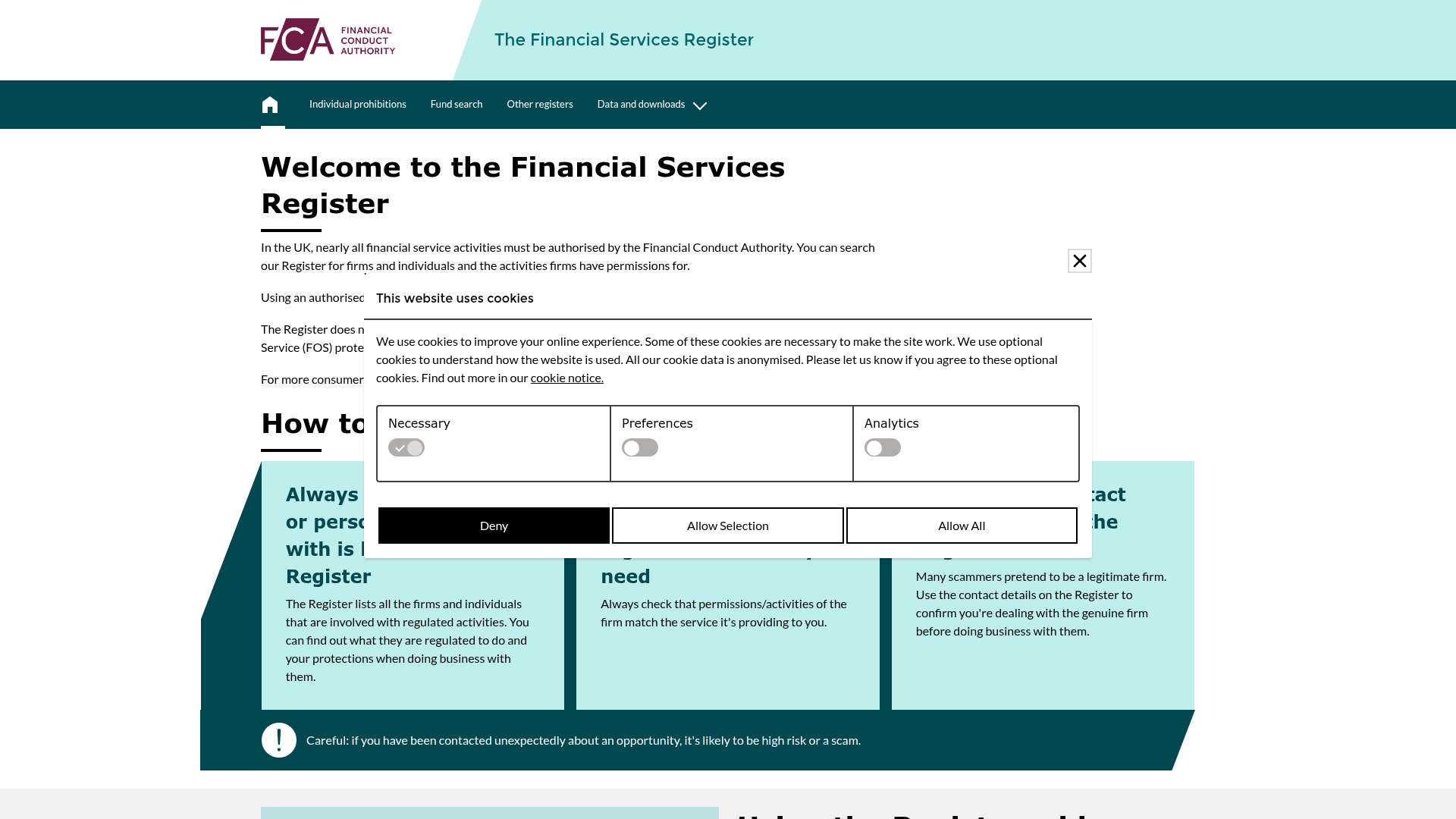
The single most effective defense against these schemes is direct, independent verification of any investment platform or broker. A legitimate brokerage firm, such as Pepperstone, XM, or OANDA, will be regulated by official financial authorities in the jurisdictions where it operates. For instance, Pepperstone is regulated by the FCA, ASIC, CySEC, DFSA, BaFin, CMA, and SCB. OANDA holds licenses with the FCA, CFTC/NFA, ASIC, IIROC, and MAS. Always check the regulator's official register, not just the company's website. If a firm claims to be regulated by the UK's Financial Conduct Authority (FCA), go directly to the FCA's Financial Services Register. Similarly, for Australia, use the ASIC Professional registers; for Cyprus, CySEC's Regulated entities register; for the US, the CFTC's Registration Deficient (RED) List and NFA BASIC; and for Singapore, the MAS Financial institutions directory. If a firm is not listed or has a warning against it, avoid it.
This is the part most guides skip: relying on a broker's own website for regulatory claims is insufficient; always cross-reference with the official source. Do not accept screenshots or links provided by the 'partner' as proof, as these can be easily manipulated. It is crucial to independently navigate to the regulator's official website and perform the search yourself using the firm's name or license number. Legitimate brokers are transparent about their regulatory status and will have corresponding entries on these public registers. Any ambiguity or inability to find verifiable registration information means you should not proceed with any investment.
Understanding the Limited Avenues for Fund Recovery
Victims often face an uphill battle in recovering lost funds, particularly if the money has been converted into cryptocurrency or transferred internationally. Unlike traditional bank transfers, many cryptocurrency transactions are irreversible and difficult to trace once they move through multiple wallets and exchanges. While some avenues like credit card chargebacks exist, these are time-limited, typically within 120 days of the transaction, and often do not apply to direct bank wires or crypto transfers. The harsh truth, often understated in general advice, is that funds sent to fraudulent entities are exceptionally difficult to retrieve.
Law enforcement agencies, such as the FBI's Internet Crime Complaint Center (IC3), work diligently, but the global and often anonymous nature of these schemes presents significant challenges. The perpetrators often operate from jurisdictions with weak enforcement, making cross-border recovery efforts complex and protracted. Even when funds are traced, retrieving them from foreign entities through legal channels can take years, with no guarantee of success. Prevention and vigilance are critically important, as the chances of recouping significant losses once they have occurred are low. The speed at which you report the fraud can sometimes make a difference, but rapid transfers and conversions limit even the swiftest interventions.
Reporting Suspected Fraud and Seeking Assistance
If you suspect you or someone you know has been targeted by a romance-investment scheme, immediate action is necessary. First, cease all communication with the scammer and the fraudulent platform. Do not engage in further payments or discussions. Next, contact your bank or financial institution immediately if you have transferred money, as they may be able to advise on potential recovery options, though success is not guaranteed. For those in the United States, file a report with the FBI's Internet Crime Complaint Center (IC3) and the Federal Trade Commission (FTC). UK residents should report to Action Fraud. These reports provide vital intelligence to law enforcement and regulatory bodies, helping them track patterns and potentially intervene in ongoing operations. Even if the funds appear lost, reporting helps authorities build cases against these networks.
Gather all available evidence, including chat logs, transaction records, website URLs, and any details about the individuals involved. This documentation is crucial for law enforcement investigations. Seeking emotional support from trusted individuals or professional counselors is important, as the psychological impact of these schemes, including feelings of betrayal and shame, can be profound. Remember, you are not alone; these highly sophisticated schemes target individuals across all demographics, and reporting helps protect future potential victims.
Vigilance as the Foremost Protection
The best defense against romance-investment fraud is a healthy degree of skepticism and a commitment to independent verification. Never allow a new relationship, no matter how intense, to override your financial prudence. Understand that genuine investment opportunities do not require secrecy, high pressure, or guaranteed returns. Your financial decisions should always be based on facts, transparent information, and advice from independently verified professionals, not on emotional appeals from someone you have only known online. Be wary of anyone who immediately introduces high-yield investment topics, especially early in a romantic connection. No legitimate financial advisor will pressure you to invest quickly or ask you to keep your investments a secret from loved ones.
Protect your emotional well-being and financial security by recognizing that a genuine connection will never demand your financial vulnerability. Before committing any capital, verify, verify, verify: scrutinize the platform, confirm regulatory status with official bodies, and discuss with a trusted, neutral party or a legitimate financial advisor. If something sounds too good to be true, or if you feel pressured into a financial decision by someone you just met, it warrants extreme caution. Prioritize your safety and financial security above any fleeting emotional appeal.
The page we check
This is the authority's own page, captured as we found it. Open it and run the same search yourself — nothing on this register replaces the source.
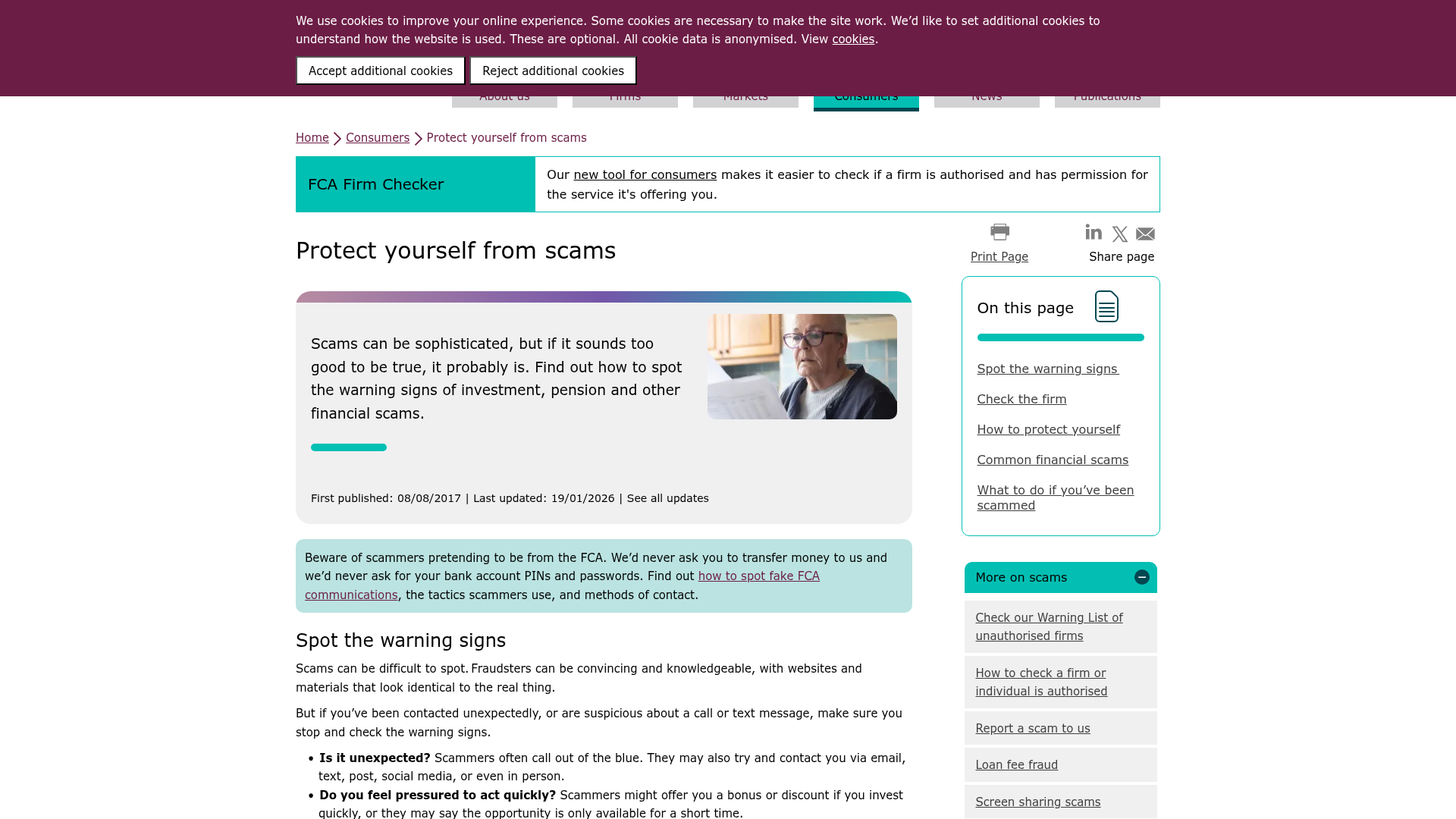
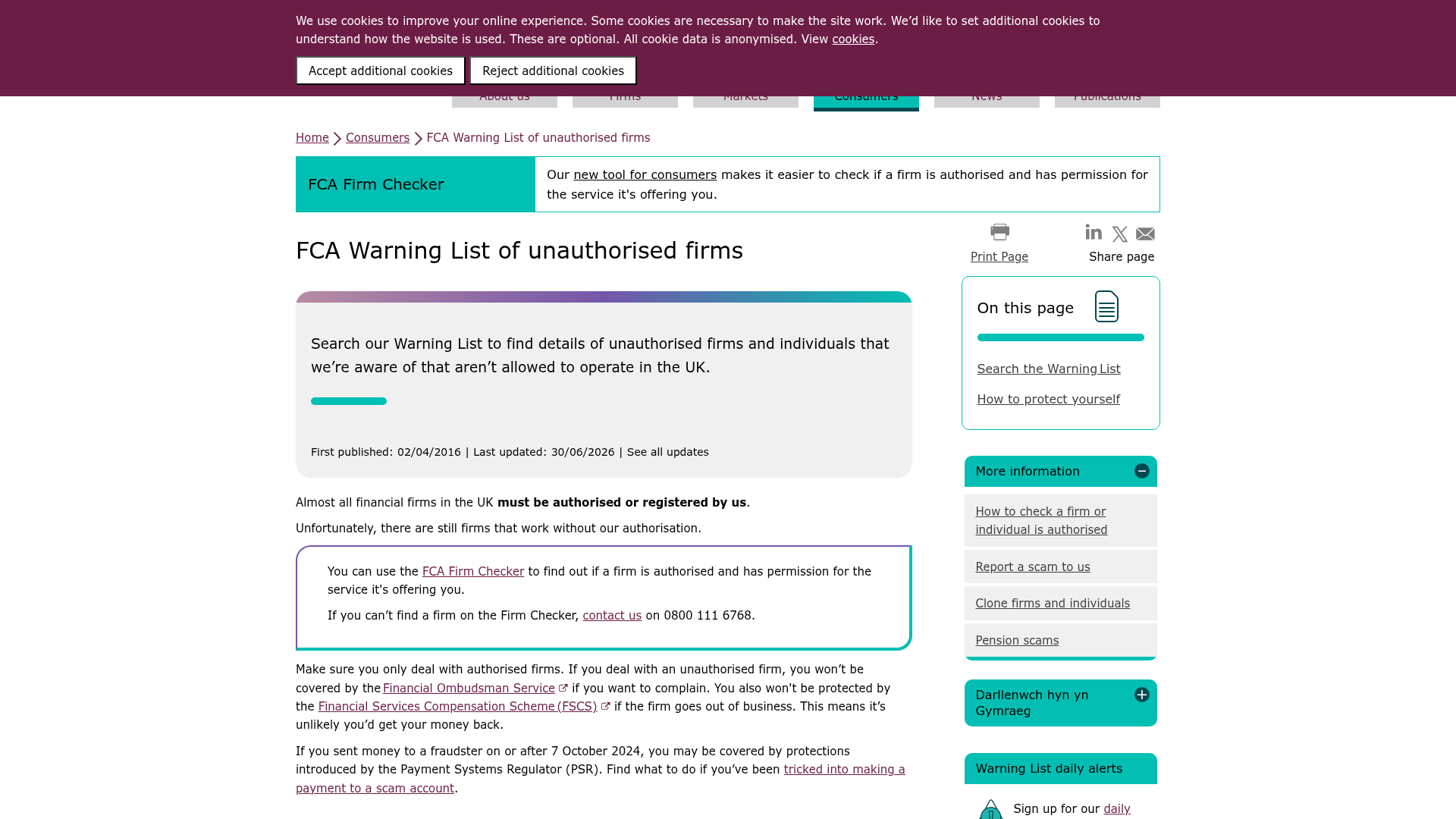
Other registers used in checks of this kind. Each opens the authority's own page.
Primary sources
Every claim above can be checked against the authority's own page. These open on the regulator's site, not ours.
- FBI IC3 — Internet Crime Reportic3.govhttps://www.ic3.gov/AnnualReport/Reports
- FTC — Report fraudreportfraud.ftc.govhttps://reportfraud.ftc.gov/
- Action Fraud (UK) — reportingactionfraud.police.ukhttps://www.actionfraud.police.uk/
- FCA — Financial Services Registerregister.fca.org.ukhttps://register.fca.org.uk/
- NFA BASIC — background affiliation statusnfa.futures.orghttps://www.nfa.futures.org/basicnet/
- CySEC — Regulated entities registercysec.gov.cyhttps://www.cysec.gov.cy/en-GB/entities/investment-firms/cypriot/
Frequently asked
How do these romance-investment scams typically begin?
They often start with unsolicited contact on dating apps or social media, building a strong emotional bond over weeks or months before any mention of investment is made. The initial focus is purely on personal connection and shared interests.
What kind of investments do these scammers claim to offer?
Scammers typically claim to offer high-return, low-risk investments in volatile markets like forex, cryptocurrencies, or Contracts for Difference (CFDs). They might cite 'insider knowledge' or 'exclusive opportunities' to justify unrealistic daily profits.
What happens if I try to withdraw funds from a fraudulent platform?
Initially, small withdrawals might be permitted to build trust. However, for larger sums, the platform will demand additional 'fees' such as taxes, commissions, or anti-money laundering charges, which are fabricated. Funds will not be released until these nonexistent fees are paid, and even then, often not at all.
How can I tell if a trading platform or broker is legitimate?
A legitimate broker is regulated by recognized financial authorities. You must independently verify their license and registration directly on the official website of the relevant regulator (e.g., FCA, ASIC, CySEC, CFTC/NFA, MAS), not relying on information provided by the platform or your contact.
What should I do if I suspect I've been a victim of a romance-investment scam?
Immediately cease all communication with the scammer and the platform. Contact your bank or financial institution to report the fraud. Then, report the incident to relevant law enforcement agencies like the FBI IC3 (US), FTC (US), or Action Fraud (UK) to assist in investigations.
Are funds lost in these scams usually recoverable?
The harsh truth is that funds sent to fraudulent entities, especially if converted to cryptocurrency or transferred internationally, are exceptionally difficult to retrieve. While reporting is crucial, managing expectations about recovery is important due to the global and anonymous nature of these crimes.