
Key points
- Client funds held by a licensed broker are typically segregated, but insolvency still triggers a complex claims process.
- Verifying your broker's specific regulated entity and its jurisdiction before depositing funds is a critical preventative measure.
- Proof of debt requires meticulous documentation, including account statements, transaction histories, and communication records.
- Investor compensation schemes offer protection up to a specific limit, but these are not instantaneous payouts.
- Recovery timelines for insolvent brokers are often measured in years, not months, due to legal complexities and asset liquidation.
- Always confirm a firm's regulatory status directly with the official supervisory body, using their public registers.
The Immediate Aftermath: Freezing Assets and Initial Notices
Imagine logging into your trading account one morning only to find access blocked and a notice stating your broker has entered insolvency. This immediate cessation of operations is often the first, stark indication of a firm's financial failure. Regulators, or a court order, will typically freeze the broker's assets to prevent further dissipation and to preserve what remains for creditors.
At this stage, communication might be sparse or confusing. The regulator responsible for supervising the broker's operations in your specific jurisdiction will often issue a public announcement. This announcement usually confirms the insolvency and provides preliminary guidance on how affected clients should proceed. It is vital to seek out this official communication directly from the regulator, rather than relying on unofficial channels or social media. This is the period of greatest uncertainty for affected clients, as the future of their investments hangs in the balance.
A provisional liquidator or administrator may be appointed swiftly. Their initial task is to secure the firm's records and assets, assess its financial position, and identify all clients and creditors. This preliminary phase can take weeks, during which clients will likely have no access to their accounts or funds. The appointment of this official marks the formal beginning of the insolvency process, shifting the focus from trading to asset recovery and distribution.
Regulatory Safeguards: Understanding Investor Compensation Schemes
Many regulated financial jurisdictions operate investor compensation schemes designed to protect clients when a licensed firm fails. For instance, in the United Kingdom, the Financial Services Compensation Scheme (FSCS) protects clients of authorized firms, covering investments up to £85,000 per person per firm. Similarly, Cyprus, under the regulatory oversight of CySEC, has an Investor Compensation Fund (ICF) that protects covered clients up to €20,000.
These schemes are not immediate cash payouts. They are typically invoked after a formal declaration of default by the regulator and the appointment of a liquidator. The liquidator works with the compensation scheme to verify client claims and facilitate payouts. The specific protections and limits vary significantly by jurisdiction, and it is a common misconception that all funds are protected, or that protection is identical globally.
Understanding which scheme applies to your account is entirely dependent on the specific legal entity of the broker with whom you held your funds, not just the brand name you recognize. A broker like Pepperstone, for example, operates under licenses from multiple regulators such as the FCA in the UK, ASIC in Australia, and CySEC in Cyprus. If you opened your account with their UK-regulated entity, FSCS protection might apply. If your account was with their Australian entity, ASIC does not operate a direct compensation scheme of the same nature for retail investment losses, highlighting a critical difference in protection levels.
Who is Your Counterparty? The Importance of Entity Registration
Many brokers operate globally, often establishing multiple distinct legal entities each regulated by a different authority. For instance, XM, a widely known brand, maintains entities regulated by CySEC in Cyprus, ASIC in Australia, and the IFSC in Belize. While all operate under the 'XM' brand, the legal and financial obligations, as well as client protections, differ based on which specific entity processes your transactions and holds your funds.
When you open an account, the terms and conditions or the client agreement should explicitly state the legal entity you are contracting with. This is the entity that will be your direct counterparty, and it is its regulatory framework that governs your relationship and potential recourse in an insolvency. Failing to identify this specific entity is a common oversight that complicates claims.
In practice, discerning which entity you are genuinely trading with can be obscured by marketing materials that focus on the brand rather than the specific regulated entity. Sometimes, the website's footer will list all global licenses, but the specific entity for your account might only be clear in the sign-up process or client portal. This is the part most guides skip: the actual onboarding flow might route you to a particular entity based on your geographic location or marketing campaign, without making the distinction sufficiently obvious to an everyday client. Therefore, a careful client will always verify the exact regulated entity handling their account.
Examples of brokers with multiple regulated entities in different jurisdictions
| Broker Brand | Headquarters | Key Regulators (Examples) |
|---|---|---|
| Pepperstone | Melbourne, Australia | FCA (UK), ASIC (Aus), CySEC (Cyp) |
| IC Markets | Sydney, Australia | ASIC (Aus), CySEC (Cyp), FSA (Seychelles) |
| XM | Limassol, Cyprus | CySEC (Cyp), ASIC (Aus), IFSC (Belize) |
| OANDA | New York, USA | FCA (UK), CFTC/NFA (USA), ASIC (Aus) |
Identifying a Firm's True Regulatory Standing
Before depositing any funds, always verify the regulatory status of the specific entity you intend to engage with. This is not a trivial step; it directly impacts your protection. Regulators like the UK's Financial Conduct Authority (FCA), Australia's ASIC, and Cyprus's CySEC maintain public online registers that list all authorized firms and their specific licenses.
To check, visit the official website of the regulator (e.g., register.fca.org.uk or asic.gov.au/online-services/search-asics-registers). Use the exact company name or license number provided by the broker to search their register. The entry will confirm if the entity is authorized, for what activities, and if there are any restrictions or warnings associated with it. If a firm claims to be regulated by, for example, the FCA, but does not appear on the FCA's Financial Services Register, or if the details do not match, it is a significant warning sign.
Be particularly wary of firms appearing on a regulator's 'warning list' of unauthorized firms, such as the FCA's dedicated page for consumers. These lists highlight entities that are operating without proper authorization or are actively impersonating legitimate firms. A direct search on the regulator's database is the only reliable method of verification; rely solely on the firm's own website at your own risk.
The critical step of proving your claim in a broker insolvency is less about demonstrating initial loss and more about meticulously assembling a paper trail for the liquidator.
Owen Blake
Gathering Your Proofs of Debt: What Documentation You Need
When a broker becomes insolvent, the liquidator will require detailed documentation to verify your claim. The stronger and more organized your evidence, the smoother the process will likely be, although 'smooth' is a relative term in insolvency proceedings. You will need to prove not only that you held an account but also the precise value of your claim.
Essential documents include: all account opening agreements, welcome emails, and terms and conditions; a complete history of deposits and withdrawals, including bank statements or transaction confirmations showing funds leaving your account and arriving at the broker; detailed trading statements covering the period leading up to the insolvency; and any significant correspondence with the broker regarding your account, balance, or trading activity. If you used third-party payment processors, their records will also be crucial.
Do not underestimate the need for hard copies or securely backed-up digital versions of everything. Many clients rely entirely on accessing their account history through the broker's platform, which becomes unavailable the moment insolvency is declared. The critical step of proving your claim in a broker insolvency is less about demonstrating initial loss and more about meticulously assembling a paper trail for the liquidator.
The Role of the Liquidator and the Claims Process
Once a broker is declared insolvent, a liquidator is formally appointed. This individual or firm is a legal professional responsible for taking control of the broker's assets, liquidating them where necessary, and distributing the proceeds to creditors according to legal priorities. The liquidator's mandate is to act in the best interests of all creditors, not just clients.
The claims process typically begins with the liquidator issuing a formal invitation for creditors, including clients, to submit their 'proofs of debt'. This involves completing a specific claim form provided by the liquidator and attaching all supporting documentation. The form will require details such as your identity, account number, the amount claimed, and the basis for that claim. It is essential to complete this form accurately and provide all requested evidence.
There will be a deadline for submitting claims, often several months from the date of the liquidator's appointment. Missing this deadline can jeopardize your ability to recover funds, as late claims may only be considered after timely ones are settled, or not at all. The liquidator will review each claim, correspond with claimants if further information is required, and ultimately admit or reject the claim, in full or in part. This verification process can be time-consuming, especially for a broker with a large client base.
Calculating Your Claim: Understanding Account Valuations and Deductions
The value of your claim will typically be assessed as your account balance at the precise moment of insolvency, or at the last verifiable close of business before the firm ceased operations. This value is calculated in the base currency of your account. Any open positions at that time will be closed at the last available market prices, and their profit or loss will be factored into your final account balance.
It is important to understand that your claimed amount might be subject to deductions. These could include outstanding fees, commissions, or any negative balances on your account. The liquidator will reconcile these figures against the broker's records and your submitted documentation. Discrepancies between your records and the broker's can lead to delays and disputes, highlighting why meticulous personal record-keeping is so important.
If your funds were held in segregated accounts, this offers a stronger position for recovery. Segregated funds are kept separate from the broker's operational capital, meaning they should not be used to satisfy the broker's general business debts. However, even segregated funds can be impacted if the broker misappropriated them or if the segregation was incomplete or incorrectly managed. In such cases, these funds might become part of the general pool of assets, making recovery more challenging and lengthy.
Priority of Claims: Who Gets Paid First?
Not all creditors are equal in an insolvency. The law establishes a hierarchy of claims, meaning some parties will be paid before others from the available assets. This can significantly affect the recovery rate for different types of creditors, including retail clients.
Typically, secured creditors (those holding collateral) are paid first. Following them are statutory claims, such as taxes and employee wages. Next in line come unsecured creditors, which often include retail clients whose funds might not have been perfectly segregated or who held funds in an entity without strong compensation scheme protection. Shareholder claims are generally at the very bottom of the priority list, often receiving nothing.
In scenarios where an investor compensation scheme is applicable, the scheme acts as a safety net, paying eligible clients up to the defined limit irrespective of the broker's recoverable assets, and then steps into the client's shoes to claim against the insolvent estate. This means the compensation scheme becomes a creditor of the broker, seeking to recover its payouts, while the client receives their entitlement more directly. This mechanism ensures that protected clients do not have to wait for the entire insolvency process to conclude to receive their basic compensation.
General hierarchy of claims in a corporate insolvency
| Claim Priority Tier | Description | Impact on Retail Client Recovery |
|---|---|---|
| Secured Creditors | Creditors with a legal charge over specific assets (e.g., banks). | Paid first from specific assets; reduces pool for others. |
| Preferential Creditors | Statutory claims like employee wages, some taxes. | Paid before general unsecured creditors; reduces available funds. |
| Unsecured Creditors (General) | Most suppliers, non-preferential debts, often retail clients without specific protections. | Lower priority, recovery depends on remaining assets after higher claims. |
| Unsecured Creditors (Subordinated) | Claims agreed to be paid after others, often internal loans. | Very low priority, often receive minimal or no recovery. |
| Shareholders | Owners of the company's equity. | Last in line; typically receive nothing in insolvency. |
Realistic Recovery Timelines: From Proof to Payout
Clients often expect a swift resolution to an insolvency claim, but the reality is markedly different. The process of proving debts, liquidating assets, and distributing funds is complex and time-consuming, frequently stretching over several years. This is not a matter of weeks or months, but often two to five years, or even longer for particularly intricate cases involving international assets or legal challenges.
The initial phase, from insolvency declaration to the appointment of a liquidator and the opening of the claims window, can take 3-6 months. The period for submitting proofs of debt usually spans another 3-6 months. Following this, the liquidator must assess each claim, which can take 6-18 months, depending on the volume and complexity. Asset liquidation itself can involve selling properties, investments, or pursuing legal actions to recover funds, all of which add significant time.
Even after a claim is admitted and assets are realized, the distribution process can involve multiple interim payments rather than a single lump sum. This staged payout allows liquidators to distribute available funds as they become liquid, without waiting for every last asset to be sold. While this can provide some earlier relief, it means the final recovery percentage may not be known for an extended period. This can be a hard truth for clients, but setting realistic expectations is crucial to manage the financial and emotional toll.
Preventative Measures: Due Diligence Before Opening an Account
The most effective way to navigate broker insolvency is to avoid it entirely through diligent research before you deposit any capital. Begin by thoroughly researching the broker's regulatory status. Do not rely solely on what their website claims; use the official regulator registers to verify their licenses and any associated warnings. For example, check the CFTC's Registration Deficient (RED) List or the FCA's warning list of unauthorized firms.
Beyond basic registration, investigate the broker's track record, client reviews, and any history of disciplinary actions. While client reviews can be subjective, a pattern of complaints regarding withdrawals or account access is a serious warning sign. Understand the legal entity you are contracting with and the specific investor protection scheme, if any, that applies to that entity in your jurisdiction. This includes verifying the maximum compensation limits.
Finally, be cautious of 'jurisdiction shopping'—brokers who push clients toward entities in less-regulated jurisdictions with weaker investor protections, often under the guise of offering higher leverage or bonuses. These entities typically provide fewer safeguards for your capital. Prioritize security and strong regulation over seemingly attractive trading conditions that might come at a hidden cost.
The page we check
This is the authority's own page, captured as we found it. Open it and run the same search yourself — nothing on this register replaces the source.
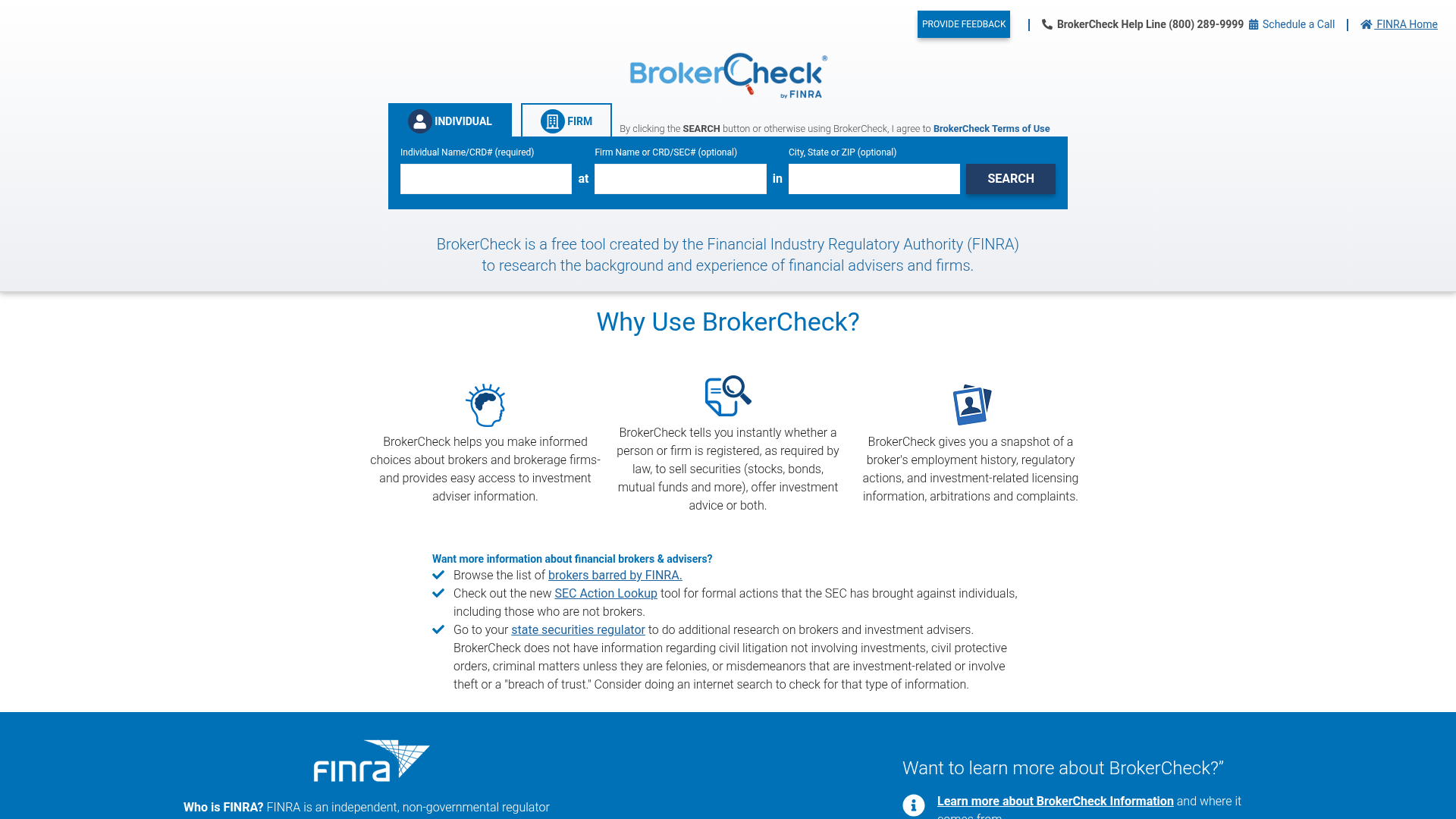
Other registers used in checks of this kind. Each opens the authority's own page.
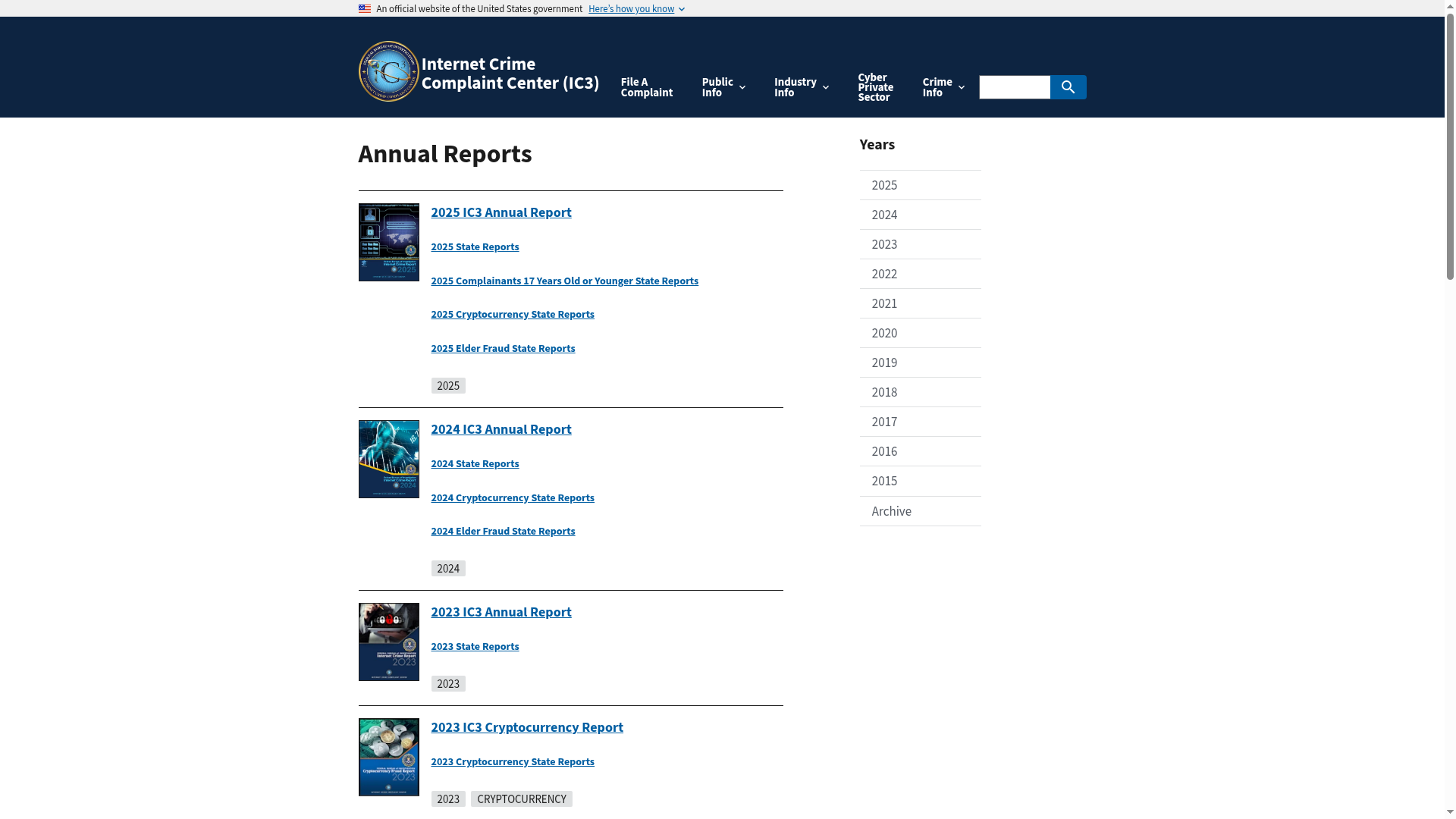
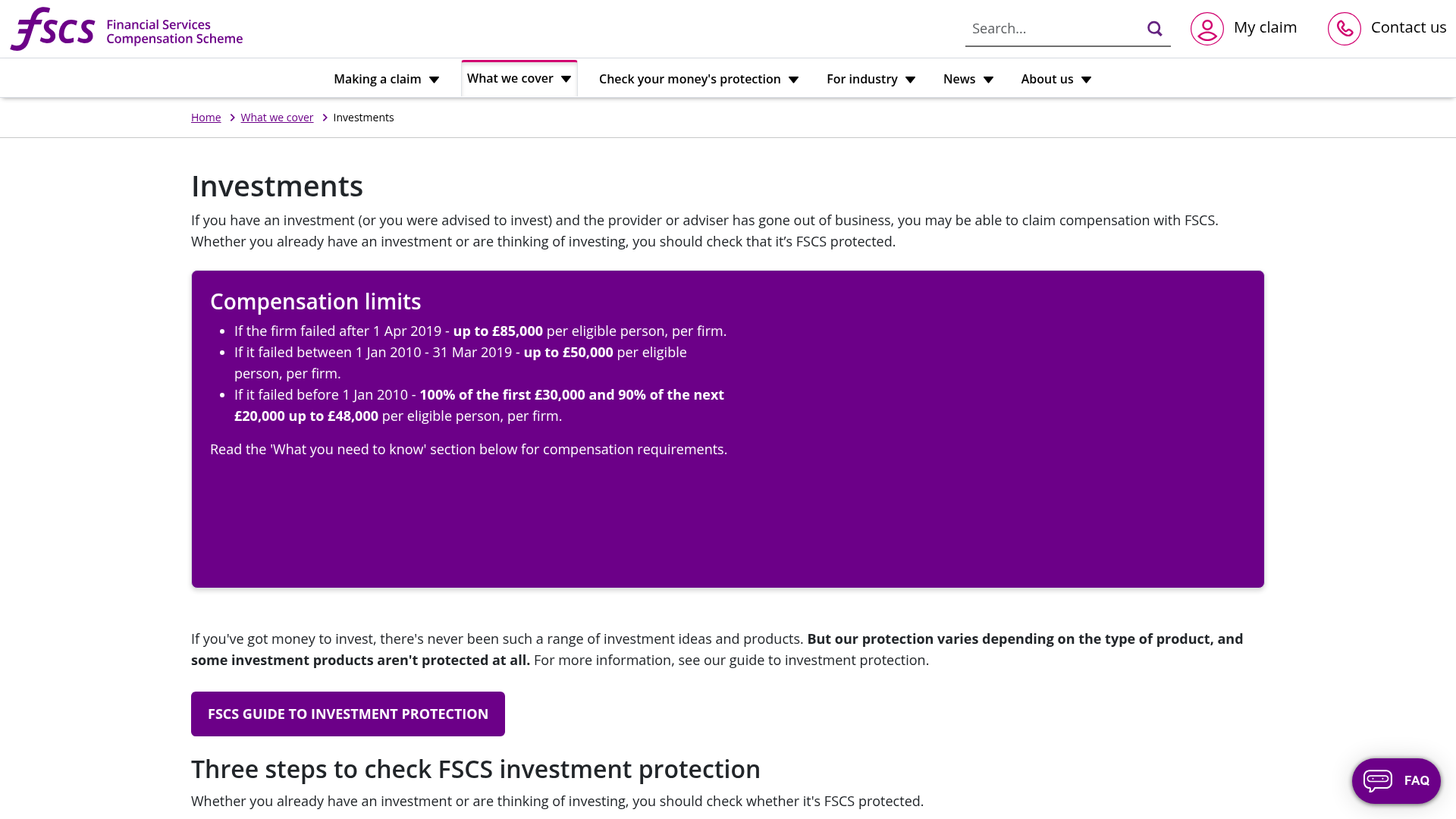
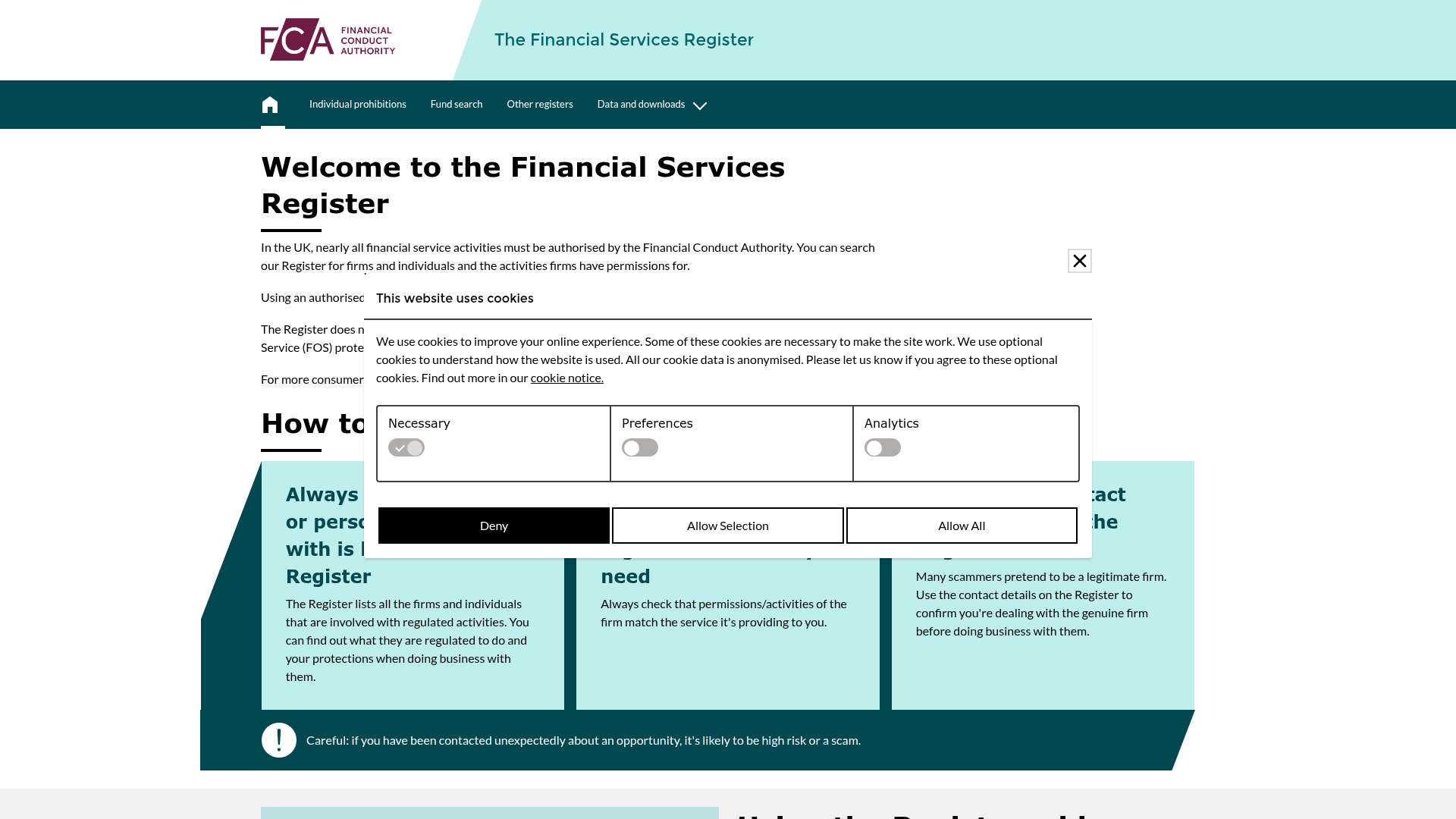
Primary sources
Every claim above can be checked against the authority's own page. These open on the regulator's site, not ours.
- Financial Conduct Authority — Financial Services Registerregister.fca.org.ukhttps://register.fca.org.uk/
- Financial Services Compensation Scheme (FSCS)fscs.org.ukhttps://www.fscs.org.uk/what-we-cover/investments/
- ASIC — Professional registersasic.gov.auhttps://asic.gov.au/online-services/search-asics-registers/
- CySEC — Regulated entities registercysec.gov.cyhttps://www.cysec.gov.cy/en-GB/entities/investment-firms/cypriot/
- CFTC — Customer advisories on fraudcftc.govhttps://www.cftc.gov/LearnAndProtect/AdvisoriesAndArticles/index.htm
Frequently asked
What happens to my money immediately if my broker goes out of business?
Upon insolvency, a regulator or court typically freezes the broker's assets, and a liquidator is appointed. Access to your funds will be suspended, and a formal claims process will begin.
Are my funds protected by an investor compensation scheme?
Protection depends on the specific regulated entity you held your account with and its jurisdiction. Schemes like the UK's FSCS or Cyprus's ICF protect funds up to a certain limit if the firm is covered.
How can I check if my broker is legitimate and regulated?
You should always check the official public registers of the claimed regulatory bodies, such as the FCA's Financial Services Register or ASIC's Professional Registers, using the specific entity name and license number.
What documents do I need to prepare for a claim?
Essential documents include all account statements, transaction confirmations, deposit/withdrawal records, identity verification documents, and any correspondence with the broker.
How long does it typically take to get my money back from an insolvent broker?
The process can be lengthy. From the time a liquidator is appointed to final payout, it is common for compensation to take anywhere from one to three years, or even longer in complex cases.
What is the difference between segregated and unsegregated client funds?
Segregated funds are held in separate bank accounts from the broker's operational capital, making them more protected in an insolvency. Unsegregated funds are commingled, which can complicate recovery.
Can I continue trading with a broker that has multiple regulatory licenses if one entity becomes insolvent?
No, it is highly advisable to cease all activity with the entire brand and seek independent legal advice. While distinct entities are separate, an insolvency often signals broader financial instability.