
Key points
- Always consult the official register of the relevant financial regulator, not search engine results or third-party sites.
- A warning's status can change if a firm obtains a license, resolves an issue, or undergoes restructuring.
- A withdrawn warning only means the specific issue was addressed, not that the firm is entirely risk-free.
- Cross-reference warning lists with active registration status, paying close attention to dates and entity names.
- Verify the geographic scope of any license; authorization in one country does not imply global permission.
- Proactive due diligence extends beyond warning status to include licensing scope, fund segregation, and dispute resolution.
The Ambiguity of an Expired Public Warning
Consider the scenario: an investor researches a financial firm, 'Apex Global Securities', discovering a public warning issued against it by a major regulator in 2019, stating it operated without proper authorization. However, the date is now 2024. This immediate confusion presents a significant challenge. Is Apex Global Securities still operating unlawfully, or has its status changed? An outdated warning, while initially alarming, might lead an investor to needlessly avoid a legitimate firm, or worse, to falsely assume a firm is clear if the warning is simply dismissed as 'old' without proper verification. This common dilemma highlights the critical need for a structured approach to confirm the current standing of any regulatory notice.
Understanding the Nature of Regulatory Actions
Financial regulators such as the Financial Conduct Authority (FCA) in the UK, the Australian Securities and Investments Commission (ASIC), or the Commodity Futures Trading Commission (CFTC) in the United States issue various types of public statements concerning financial firms. These can range from warnings against unauthorized entities to detailed disciplinary actions for specific compliance breaches or consumer alerts regarding potential investment schemes. Each statement represents a specific point in time and addresses a particular set of circumstances. A warning identifying a firm as unlicensed indicates that, at the time of issuance, the firm lacked the necessary permission to conduct regulated activities in that jurisdiction. The immediate effect of such a warning is to notify the public of potential risks and to deter illicit operations. It is important to understand that these public records are not static; their relevance and accuracy can evolve over months or years.
Reasons for Warning Status Evolution
A regulatory warning's status can change for several key reasons. First, a firm initially operating without a license might later obtain one from the relevant authority. For example, a company warned by the FCA for providing services without permission might successfully apply for and receive authorization to offer specific financial products. This new authorization would effectively supersede the initial unauthorized firm warning. Second, a firm might rectify the compliance breach or address the concerns that led to a disciplinary action, prompting the regulator to update its public record. Third, though less common, an administrative error might cause a warning to be issued incorrectly and later withdrawn when the mistake is identified. Finally, significant structural changes to a firm, such as an acquisition, merger, or internal restructuring, can result in previous warnings being transferred to a new legal entity, becoming obsolete, or being replaced by a stronger, more thorough enforcement action. Most superficial guides skip this part, treating all warnings as permanent verdicts, when their lifecycle can be complex and demands careful follow-up.
Consulting Official Regulatory Registers
The most reliable method for determining a financial firm's current regulatory standing is to directly consult the official registers maintained by the relevant financial regulators. Relying solely on general search engine results can yield outdated information, misinterpretations from third-party sites, or even intentional disinformation. Each major financial jurisdiction operates its own public register, and many firms hold multiple licenses across different regions. For instance, Pepperstone is regulated by the FCA in the UK and ASIC in Australia, meaning separate checks on both regulators' registers are essential for a complete picture, depending on where you are interacting with the firm. It is critical to navigate directly to the regulator's official website rather than clicking links from potentially compromised search results.
Key Financial Regulatory Bodies and Their Official Public Registers
| Regulator | Jurisdiction | Primary Register/Search Tool |
|---|---|---|
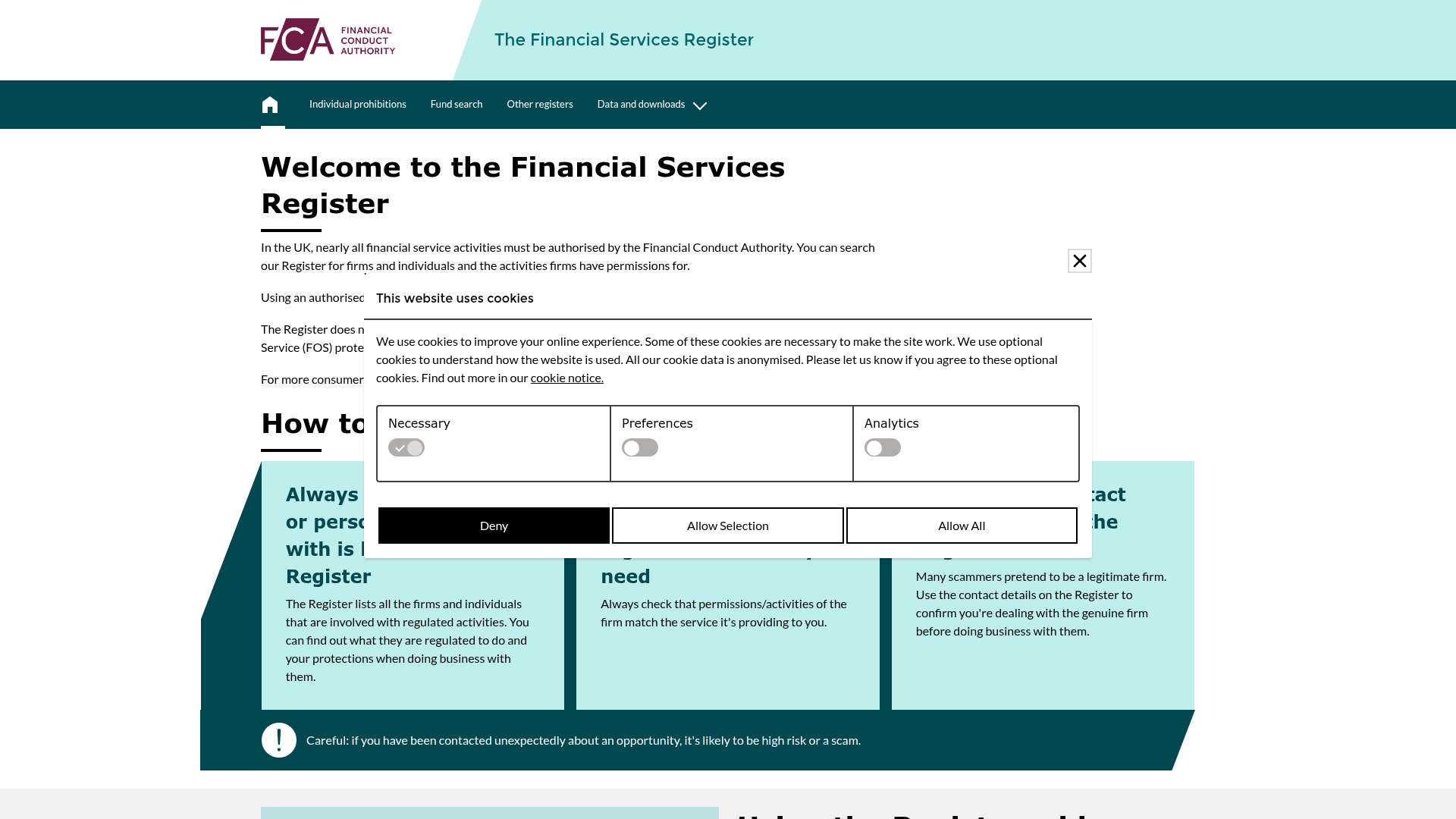
| FCA | UK | Financial Services Register (https://register.fca.org.uk/) |
| ASIC | Australia | Professional registers (https://asic.gov.au/online-services/search-asics-registers/) |
| CFTC | USA | Registration Deficient (RED) List (https://www.cftc.gov/check) |
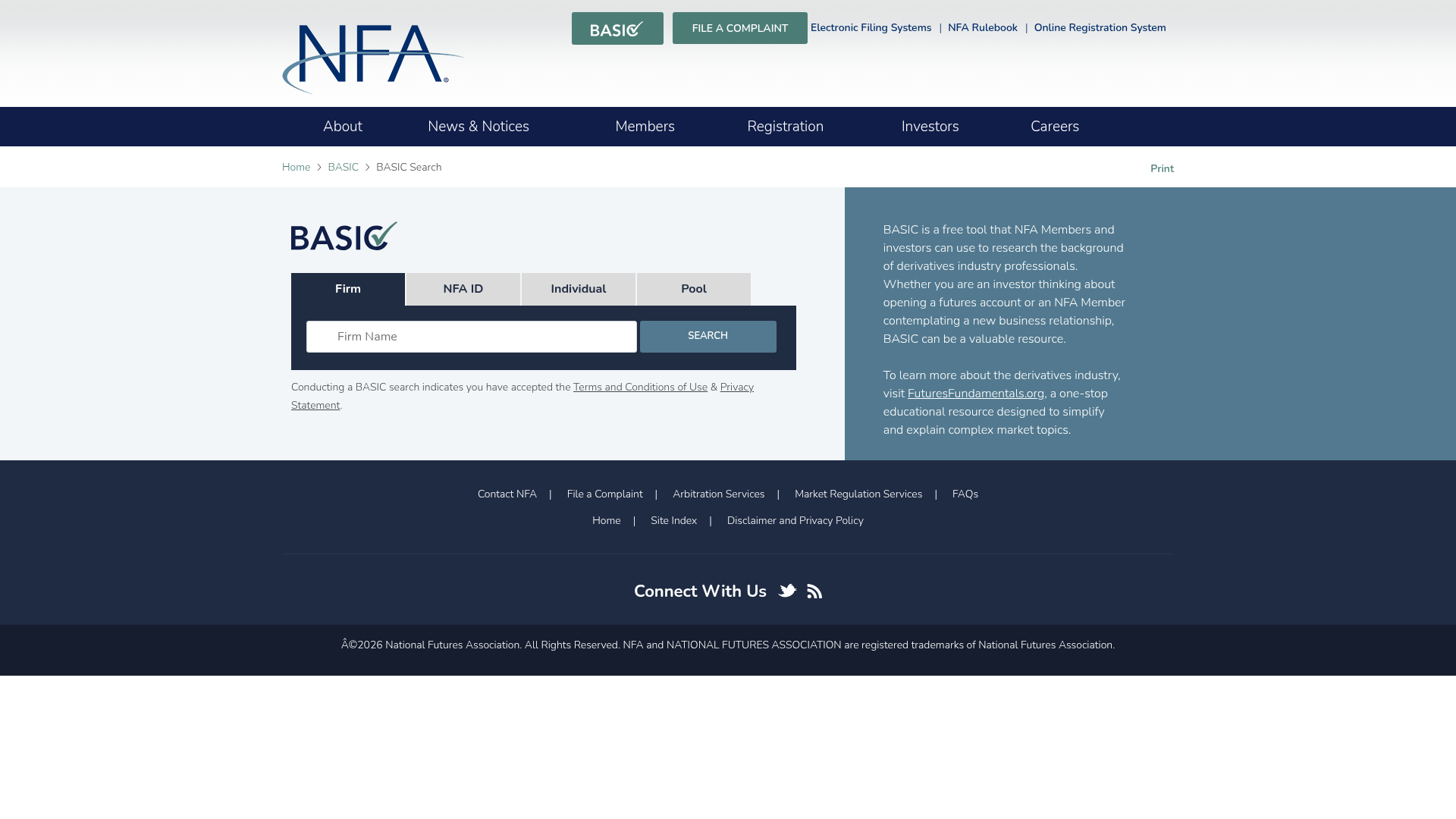
| NFA | USA | NFA BASIC (https://www.nfa.futures.org/basicnet/) |
| CySEC | Cyprus | Regulated entities register (https://www.cysec.gov.cy/en-GB/entities/investment-firms/cypriot/) |
A Structured Verification Protocol
To effectively verify a firm's status, follow a precise multi-step protocol. First, identify the specific financial regulator that issued the original warning; this information is typically included in the warning itself. Second, access the official register of that regulator by typing its known domain name directly into your browser, avoiding intermediary search results. Third, perform a search using the exact legal name of the financial firm, being mindful of potential variations like 'Ltd.' versus 'Limited'. Fourth, meticulously check the firm's current registration status on the register, noting its license number, permitted activities, and the effective dates of its authorization. Fifth, cross-reference this information with the regulator's specific lists of unauthorized firms or public warnings, comparing the details and dates of any past warnings with the firm's current registration. Sixth, review all dates carefully; a newer authorization date may supersede an older warning about unauthorized operation. Lastly, confirm that the geographic scope of the firm's license matches the region where you intend to conduct transactions, as a firm licensed in one country might not be authorized to serve clients in another.
A withdrawn regulatory warning signals a change in status, not necessarily a clean bill of health; current authorization must always be verified directly with official registers.
Owen Blake
Illustrative Scenario: A Warning's Journey
Consider a practical scenario involving a hypothetical firm, 'Centrum Trading Solutions'. An investor finds an FCA warning from 2017 alleging Centrum Trading Solutions operated without proper authorization in the UK. Applying the structured protocol, the investor first works through directly to the FCA's Financial Services Register. Searching for 'Centrum Trading Solutions', they find an entry for 'Centrum Trading Solutions Limited' with an FCA license number granted in late 2018, detailing permissions for brokering specific CFDs. The investor then checks the FCA's Warning List and finds the 2017 warning. The critical insight here is the 2018 authorization date; this indicates that while the firm was unauthorized in 2017, it subsequently secured a license. The 2017 warning, though still recorded, is superseded by the firm's current authorized status under that specific entity. This process clarifies the firm's journey from an unauthorized entity to a regulated one, providing a factual basis for the investor's decision-making, while still acknowledging its past regulatory history.
Common Obstacles in Warning Verification
Even with a structured verification protocol, several obstacles can complicate confirming a warning's status. Firms sometimes operate under trading names that differ slightly from their official legal entity names, or they might use variations like 'IC Markets Global' instead of 'IC Markets AU'. This demands extensive searching and cross-referencing with parent company details. Many financial news outlets and review platforms publish initial warnings but often fail to update their articles when a firm's status changes. These uncorrected articles can persist in search engine results for years, presenting misleading or outdated information. The jurisdictional complexity of global financial services also presents a challenge; a firm like OANDA, regulated by the FCA, CFTC/NFA, ASIC, IIROC, and MAS, requires checking multiple registers based on the client's location and the specific entity they are engaging with. A warning issued by the CFTC against one OANDA entity might not be relevant to an investor dealing with its MAS-regulated branch, unless it points to broader systemic issues. In practice, the sheer volume of search results for a firm, some dating back years, can be overwhelming and requires patience to filter out irrelevant or outdated information.
Interpretation: What a Withdrawn Warning Means
The withdrawal or supersession of a regulatory warning does not automatically signify a clean bill of health or an endorsement of faultless conduct. Instead, it indicates that the specific issue which triggered that particular warning has been addressed or no longer applies. For example, if a firm was warned for operating without a license and subsequently obtains one, the original problem is resolved. However, this resolution pertains only to that specific regulatory breach. Other operational or conduct issues might still exist or emerge, and the firm's past behavior could still be relevant for an investor's assessment. Investors should view a current licensed status as a fundamental requirement, not an all-encompassing assurance of safety. Further investigation into the firm's broader history, any publicly available complaints records, and its ongoing adherence to compliance standards remains a prudent step. The change in warning status simply updates its legal standing relative to that specific regulatory concern.
Proactive Due Diligence: Beyond Regulatory Warnings
A clean or resolved warning history provides a necessary foundation, but it doesn't tell the whole story. Investors should conduct additional due diligence to fully assess a firm. This includes verifying that the firm's license covers the exact financial services you intend to use, such as advising, dealing, or safekeeping client money. Crucially, confirm how client funds are held; reputable brokers always segregate client funds from their own operational capital, typically in separate trust accounts. Understand the firm's internal complaint resolution process and its access to external dispute resolution mechanisms, such as the Financial Ombudsman Service in the UK. Check if the firm participates in investor compensation schemes, like the Financial Services Compensation Scheme (FSCS) in the UK, which offers protection up to £85,000 for investment firms. For instance, comparing the regulatory frameworks and protections offered by Pepperstone (FCA, ASIC regulated entities) versus XM (CySEC, ASIC, IFSC, DFSA regulated entities) reveals how varying regulatory structures can impact client safeguards based on the chosen entity.
Comparative Regulatory Oversight for Select Financial Brokers
| Broker Name | Headquarters | Primary Regulators (Examples) | Compensation Scheme Eligibility (Example) |
|---|---|---|---|
| Pepperstone | Melbourne, Australia | FCA (UK), ASIC (Australia), CySEC (Cyprus) | FSCS (UK, for FCA-regulated entity) |
| IC Markets | Sydney, Australia | ASIC (Australia), CySEC (Cyprus), FSA (Seychelles) | No general compensation scheme for Seychelles entity |
| OANDA | New York, USA | FCA (UK), CFTC/NFA (USA), ASIC (Australia) | FSCS (UK, for FCA-regulated entity) |
| FxPro | London, UK | FCA (UK), CySEC (Cyprus), FSCA (South Africa) | FSCS (UK, for FCA-regulated entity) |
Reporting Persistent Concerns
If, after conducting thorough checks, you uncover evidence that a firm is operating without proper authorization in your jurisdiction, or if an official warning appears to be inaccurately represented as withdrawn on a public record, it is your responsibility to report this. Such reports should be made directly to the relevant financial regulator. For consumers in the UK, suspicious activity can be reported to the FCA via their ScamSmart service. In the United States, the CFTC provides advisories on fraud and mechanisms for reporting unregistered entities. When submitting a report, include specific details such as the firm's precise name, its website address, contact information, and a clear description of the unauthorized activity you have observed. Providing concrete details helps regulators investigate and take appropriate action, thereby protecting other consumers from potential financial harm.
Understanding Multi-Jurisdictional Licensing and its Implications
Many established financial firms operate across numerous international jurisdictions, holding multiple licenses from various regulatory authorities. This multi-jurisdictional presence often signals a firm's scope and commitment to regulation, but it introduces complexity when interpreting public warnings. For example, Pepperstone is regulated by the Financial Conduct Authority (FCA) in the UK, the Australian Securities and Investments Commission (ASIC), the Cyprus Securities and Exchange Commission (CySEC), the Dubai Financial Services Authority (DFSA), and several other bodies. OANDA similarly holds licenses with the FCA, the Commodity Futures Trading Commission (CFTC)/National Futures Association (NFA) in the US, ASIC, the Investment Industry Regulatory Organization of Canada (IIROC), and the Monetary Authority of Singapore (MAS).
When a regulatory warning is issued against such a firm, it is vital to ascertain which specific legal entity and jurisdiction the warning pertains to. A public warning from one regulator, for instance, from CySEC against a particular European entity of a global firm, does not automatically signify that all other entities of the same corporate group, regulated in different jurisdictions (e.g., by the FCA or ASIC), are subject to the identical warning or violate their local regulations. Each license typically belongs to a distinct legal entity within the firm's structure, and each regulator addresses conduct within its own remit. The warning's scope is often confined to the activities and specific entity under that regulator's direct oversight.
To correctly interpret the impact of such a warning, consumers must meticulously identify the specific legal name of the entity they are engaging with, as well as the jurisdiction governing their account. This information is typically provided in a firm's client agreement, terms of business, or on their official website, often in the 'About Us' or 'Legal' sections. If a warning is found, verifying that the specific entity named in the warning is the one providing services to the investor is the primary step. The presence of multiple licenses means a firm might have an impeccable record in one jurisdiction while facing scrutiny or restrictions in another due to differing regulatory standards, operational models, or compliance issues specific to that region.
A crucial caveat here: while a warning from one jurisdiction does not automatically extend to all others, it can indicate potential systemic issues within a broader corporate group. Regulators sometimes share information, and a pattern of warnings across different jurisdictions could suggest deeper problems. However, for a precise assessment, consumers must focus on the direct regulatory status of the specific entity with which they hold an account or intend to open one. The absence of a warning from a local regulator does not negate issues elsewhere, nor does a warning elsewhere automatically invalidate a locally compliant operation. Diligence requires precise identification.
Cross-Referencing Regulatory Databases for Detailed Verification
To achieve a thorough understanding of a financial firm's regulatory standing, especially given the multi-jurisdictional nature of many operators, a disciplined approach to cross-referencing information across various regulatory databases is indispensable. This process extends beyond merely checking for warnings; it involves confirming licensing status, identifying specific authorized entities, and observing any noted restrictions or public notices. A typical detailed verification might involve a minimum of three distinct database searches for a firm operating internationally across key markets.
The initial step involves identifying all relevant regulatory bodies that the firm claims oversee its operations or are relevant to the investor's location. For instance, if considering a firm like XM, which claims regulation by CySEC, ASIC, IFSC, and DFSA, an investor should systematically consult the official registers of each of these authorities. The CySEC Regulated Entities Register (cysec.gov.cy) would allow a search for 'XM CY Ltd', while the ASIC Connect Professional Registers (asic.gov.au) would be the appropriate source for any Australian-regulated entity like 'XM Australia Pty Ltd'. Each regulator maintains its own public register, and while some offer intuitive search functions, others may require specific license numbers or precise legal names for effective retrieval.
The challenge lies in the variance of how information is presented and updated across these platforms. Some registers, like the FCA Register in the UK, provide extensive details on authorized activities, restrictions, and historical notices. Others might offer a more succinct overview. Investors must carefully navigate each interface, searching not only by the brand name (e.g., 'Plus500') but also by the specific legal entity names (e.g., 'Plus500UK Ltd', 'Plus500CY Ltd', 'Plus500AU Pty Ltd') typically found in the firm's disclosures. A common pitfall is assuming that a search for a brand name will yield all associated entities across the globe; often, individual entities need to be searched separately within their respective national registers.
It is critical to distinguish between a firm's general licensing status and any specific warnings or enforcement actions. A firm can be fully licensed and operational, yet still have public notices detailing past breaches, fines, or operational restrictions that, while not outright "warnings" in the traditional sense, provide important context about its compliance history. The absence of an explicit "warning" on a register does not equate to an entirely unblemished record. These additional details can often be found linked from the main entry for the firm on the regulator's site.
A key caveat in this cross-referencing effort is the potential for discrepancies due to differing update cycles or reporting standards among regulatory bodies. It is possible, though infrequent, for an action or status change to appear on one register before it is reflected on another, or for nuances in wording to create slight ambiguities. Should such a discrepancy arise, or if information appears conflicting, the recommended course of action is to directly contact the relevant regulatory authorities for clarification. This direct inquiry, preferably referencing specific dates and document numbers, helps ensure the most current and accurate understanding of a firm's true regulatory standing. This methodical and often time-consuming approach is the bedrock of protective consumer due diligence.
Sustaining Vigilance in Financial Transactions
The process of checking regulatory warnings and their current status is not a one-time task to be completed and then forgotten. The financial services sector is dynamic; firms acquire new licenses, relinquish old ones, or modify their operating structures over time. Sustaining vigilance means periodically re-checking the regulatory status of any firm with which you maintain an ongoing financial relationship, particularly before committing significant new capital. Always prioritize referencing official regulatory sources directly and critically question any information that does not align with the regulator's most current public record. Your financial security directly depends on this continuous, diligent verification of your chosen financial partners.
The page we check
This is the authority's own page, captured as we found it. Open it and run the same search yourself — nothing on this register replaces the source.
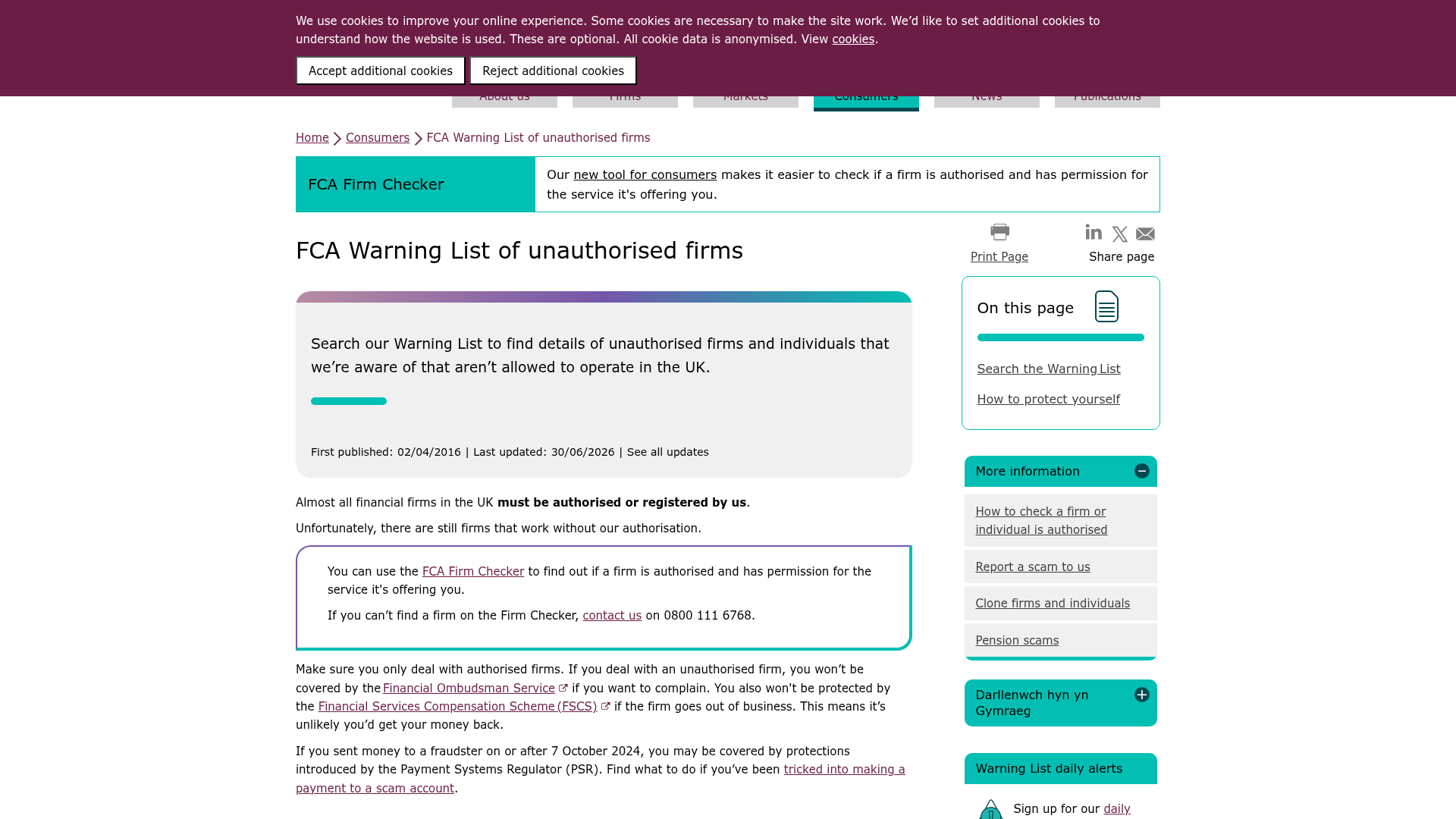
Other registers used in checks of this kind. Each opens the authority's own page.
Primary sources
Every claim above can be checked against the authority's own page. These open on the regulator's site, not ours.
- Financial Conduct Authority — Financial Services Registerregister.fca.org.ukhttps://register.fca.org.uk/
- FCA — Warning list of unauthorised firmsfca.org.ukhttps://www.fca.org.uk/consumers/warning-list-unauthorised-firms
- ASIC — Professional registersasic.gov.auhttps://asic.gov.au/online-services/search-asics-registers/
- CFTC — Registration Deficient (RED) Listcftc.govhttps://www.cftc.gov/check
- NFA BASIC — background affiliation statusnfa.futures.orghttps://www.nfa.futures.org/basicnet/
- Financial Services Compensation Scheme (FSCS)fscs.org.ukhttps://www.fscs.org.uk/what-we-cover/investments/
Frequently asked
If a warning is withdrawn, does that mean the firm is completely safe to trade with?
A withdrawn warning indicates the specific issue prompting it has been addressed, such as obtaining a license. It does not guarantee overall safety. You must still verify current licensing scope and general conduct.
Can I trust information about warning withdrawals on financial news websites?
No. Always verify directly with the official regulator's public register and warning lists. News sites often publish initial warnings but may not update status changes accurately or promptly.
What if a firm is regulated in one country but not in mine, and I found a warning from my country's regulator?
If your country's regulator has warned against a firm operating there without a license, it remains a concern for you. A license in another country doesn't grant permission to operate everywhere.
How often should I re-check a firm's regulatory status?
It's prudent to re-check periodically, especially before making new investments or if you notice any unusual changes in the firm's operations. Regulatory statuses can change over time.
What is the difference between a 'warning list' and a 'public register'?
A warning list flags unauthorized firms or specific concerns. A public register lists firms that are actively authorized and indicates the scope of their permissions. Both should be consulted for a complete understanding.
What if I suspect a warning is outdated or inaccurate on a regulator's website?
If you believe an official regulatory record is incorrect or outdated, you should contact the relevant regulator directly with your concerns and the evidence you have gathered for their review.